Magnetic Camera Mount: When It Works and When to Use Something Else
By iBOLT Mark
Magnetic Camera Mount: When It Works and When to Use Something Else
Problem proposition: Creators and professionals often buy a magnetic camera mount expecting it to handle every setup, then discover it falls short on non-metal surfaces or with heavier gear, so this article helps you match the right mount type to your actual shooting conditions.
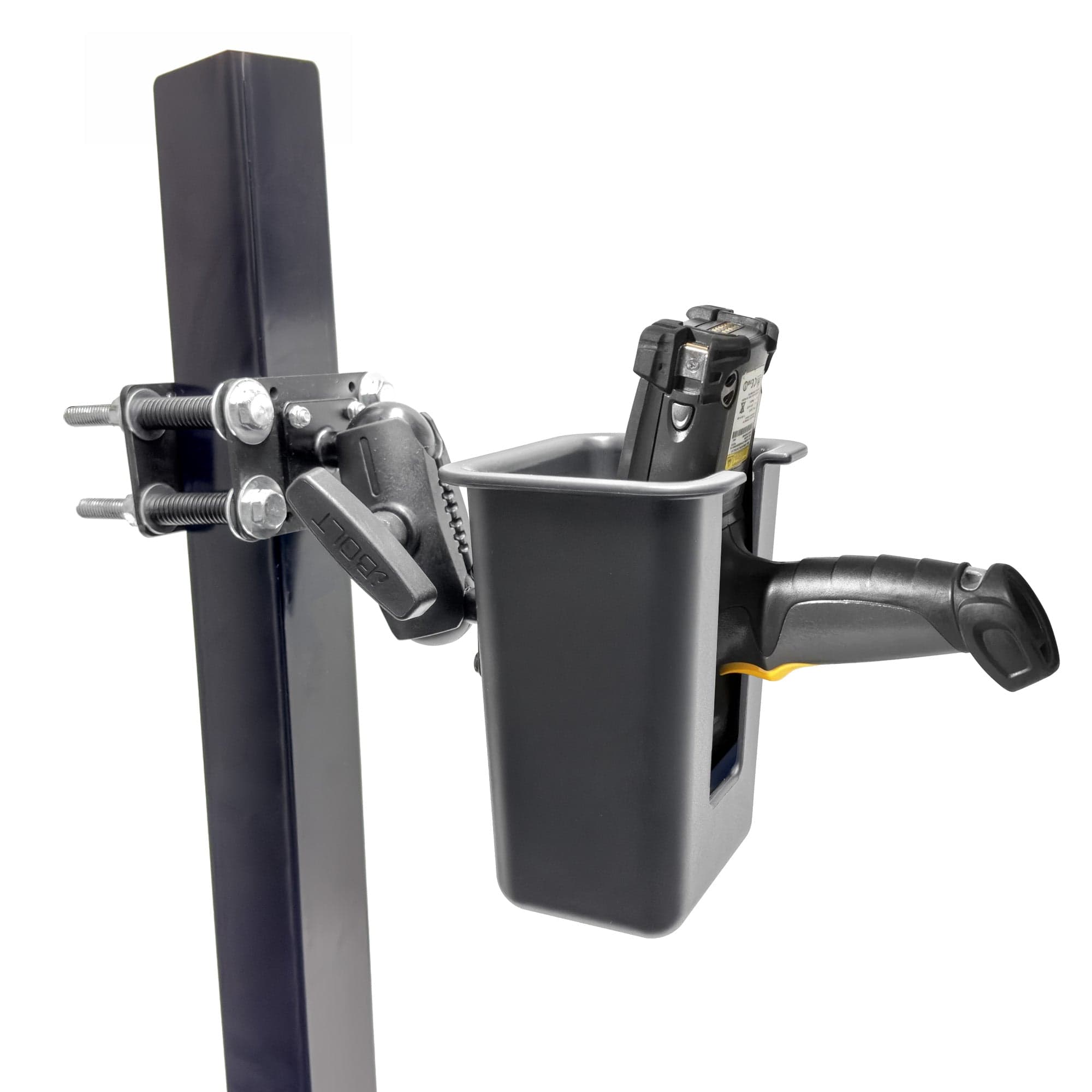
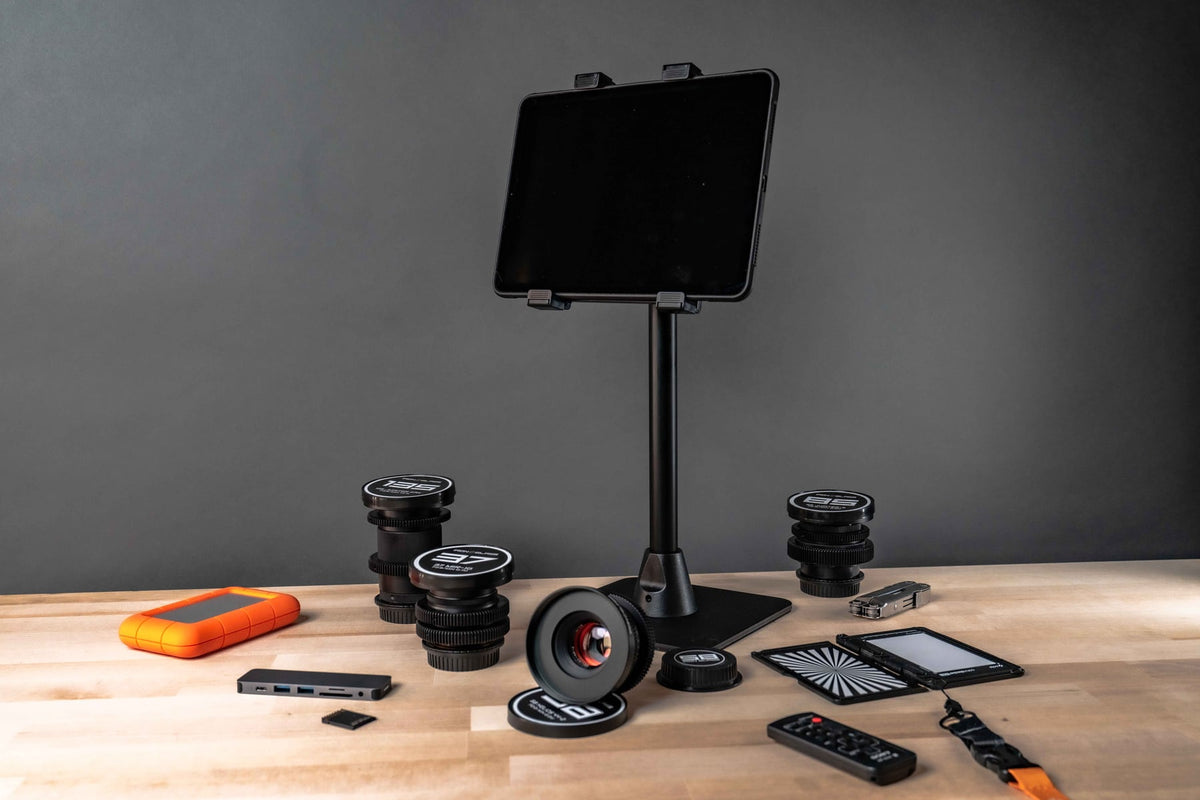
An iBOLT mounting setup positions a device for filming, streaming, or hands-free content work.
Magnetic camera mounts look like the perfect solution: no drilling, no clamps, no fuss. Snap your camera to a metal surface and start shooting. But if you have ever watched a magnetic mount slowly tilt under the weight of a mirrorless body, or realized your desk has no metal surface to grab, you already know the real question is not whether magnetic mounts work. It is when they work, and when a clamp-on camera mount, suction cup, or threaded adapter is the smarter call.
How Magnetic Camera Mounts Actually Work
A magnetic mount uses neodymium magnets to grip ferromagnetic surfaces like steel panels, metal shelving, machinery, and vehicle doors. The best systems pair that magnetic base with a ball joint so you can dial in your angle without repositioning the entire mount. The holding force depends on the magnet size, the surface flatness, and the combined weight of your camera, lens, and accessories.
The iBOLT 38mm / 1.5-inch DualMag Industrial Strength Magnetic Base uses two 88mm magnetic bases for maximum contact area, which is why it holds up in industrial, automotive, and warehouse environments where a single-magnet design would slip. The 4-screw AMPS hole pattern lets it connect to compatible mounting plates, and the 38mm ball joint gives you full pan and tilt adjustability once it is locked onto a surface.
Magnetic mounts earn their place in specific scenarios. If your shooting environment includes any of the following, a magnetic base is worth serious consideration.
Vehicle and fleet recording. Metal door panels, roof rails, and cargo area walls are ideal magnetic surfaces. A magnetic base goes on and comes off in seconds, which matters when you are moving between vehicles or locations throughout the day.
Industrial documentation and inspection. Technicians who need to document machinery, record maintenance procedures, or monitor equipment often cannot drill into surfaces or run permanent hardware. A magnetic mount attaches to the machine itself, freeing both hands.
Metal shelving and workstation setups. If your desk or studio includes steel shelving, a magnetic base gives you a repositionable camera point without a clamp arm eating up table space. This works well for product demos and live selling, where consistent framing matters and you need to reset quickly between takes.
Overhead and top-down shots on metal surfaces. Creators shooting flat lays, unboxing content, or cooking demos on a metal prep surface can use a magnetic base on a nearby steel structure to hold the camera directly overhead, provided the surface is solid enough to handle the load.
When a Clamp, Suction, or Threaded Mount Is the Better Choice
Magnetic mounts have real limits, and ignoring them leads to dropped gear.
Non-metal surfaces. Wood desks, glass tables, drywall, and most modern car dashboards give magnets nothing to grip. If your workspace is non-metal, a desk clamp or C-clamp arm is the right starting point, not a magnetic base.
Heavier camera and accessory combinations. Adding a cold shoe light, external mic, and a larger action camera to a single magnetic base pushes the weight limit fast. A clamp-on camera mount anchored to a desk edge or monitor arm handles that load more predictably.
Situations where vibration is constant. Creators who have learned the hard way that gooseneck arms shake when the desk is bumped already know that rigid mounting matters. On a vibrating machine or a moving vehicle with rough terrain, a magnetic base needs to be rated for that load. Undersized magnets on rough surfaces will walk and eventually release.
When you need a standard camera thread. Many rigs, cages, ball heads, and adapter plates connect via the 1/4-20 screw thread, which is the compatibility standard across cameras, webcams, lights, mics, and mini projectors. If your magnetic base does not include a 1/4-20 output, you need an adapter to connect standard camera gear.
Connecting Action Cameras and Standard Gear to a Magnetic Base
This is where a lot of setups stall. You have a solid magnetic base, but your action camera uses a proprietary mount, not a 1/4-20 thread. The iBOLT Action Camera / 1/4 inch 20 to 25mm / 1 inch B Size Ball Adapter bridges that gap by connecting a 1-inch / 25mm mount to a 1/4-20 camera screw, making it compatible with a wide range of action cameras beyond any single brand. If your magnetic base outputs to a 1-inch ball, this adapter lets you attach your action camera directly without a separate ball head or extra hardware.
For creators building out a multi-device rig, this kind of adapter is what makes a modular system practical. One magnetic base, one adapter, and your action camera is mounted and adjustable. Add a second adapter for a light or mic and you have a compact overhead rig without a tangle of separate stands.
A Quick Decision Framework Before You Buy
Before choosing a magnetic camera mount, answer these four questions:
Is the mounting surface ferromagnetic steel? If not, a magnetic base will not hold. Consider a clamp or suction mount instead.
What is the total weight of your camera, lens, and accessories? Match that weight to the mount's rated holding force with a margin to spare.
Will the surface vibrate or move? If yes, choose a magnetic base rated for dynamic loads, or switch to a mechanical clamp.
Does your camera use a 1/4-20 thread or a proprietary mount? If proprietary, confirm an adapter is available before purchasing the base.
If you answer yes to question one and your load is within spec, a magnetic mount is genuinely the fastest and least invasive option available. If any answer points to a mismatch, a clamp-on camera mount or threaded adapter system will serve you better.
Frequently Asked Questions
Will a magnetic mount damage my camera sensor or electronics?+-
Modern digital cameras, action cameras, and smartphones are not typically affected by the magnetic fields produced by standard mounting systems. Follow the manufacturer's guidance and avoid placing unusually powerful industrial magnets directly against sensor modules or hard drives.
Can I use a magnetic base for a GoPro screw mount setup?+-
Yes, if your magnetic base outputs to a 1-inch ball or 1/4-20 thread, an adapter like the iBOLT Action Camera / 1/4 inch 20 to 25mm Ball Adapter connects your action camera to the base. Verify the thread size and ball size match before ordering.
What surfaces work best for magnetic tablet mounts?+-
Flat, clean steel surfaces give the strongest hold. Painted steel works but reduces grip slightly compared to bare metal. Aluminum, plastic, wood, and glass do not work with magnetic mounts.
Is a magnetic base or a clamp better for a desk streaming setup?+-
If your desk has a steel frame or metal surface, a magnetic base keeps your tabletop clear. If your desk is wood or glass, a clamp-on camera mount attached to the desk edge or monitor arm is the more reliable choice for a stable streaming rig.



Leave a comment
This site is protected by hCaptcha and the hCaptcha Privacy Policy and Terms of Service apply.