
A fleet rarely stays uniform for long. A new truck replaces an older van. One route moves from a phone to a tablet. A driver needs the screen closer, while another vehicle has almost no flat dashboard space. If every change requires a completely new mount, the hardware inventory becomes harder to understand than the devices it supports.

iBOLT approaches fleet mounting as a system of connection points. A base attaches to the vehicle. An arm sets reach and angle. A holder fits the device. Standard ball sizes and AMPS hole patterns let those sections work together, so a fleet can change one part when the job changes instead of treating every mount as a sealed unit.
Cross-Compatibility Starts at the Connection
The most useful fleet mount specifications are often the least visible in a product photo. The AMPS pattern is a standard hole layout used on many vehicle brackets, device cradles, and mounting plates. Ball sizes such as 17mm, 20mm, 22mm, 25mm or B size, and 38mm or C size define which arms and adapters fit together.
Those standards create practical options. A vehicle-specific AMPS bracket can connect to an AMPS plate. A 25mm arm can accept another matching 25mm ball component. A holder can be changed while a suitable drill base or seat rail base remains in the vehicle.
iBOLT produces mounting parts across 17mm, 20mm, 22mm, 25mm, 38mm, and 57mm sizes. That range matters because a light phone setup and a larger commercial screen do not ask the same thing from an arm or base. Cross-compatible does not mean every part fits every other part. It means the size and connection standard are stated so the correct components can be selected deliberately.
For a broader explanation of these connections, see How to Use iBOLT's Modular Mounting System.
Keep the Base, Change the Device Side
Consider a work vehicle with a suitable flat surface and an installed four-hole AMPS base. A phone assignment can use the iBOLT xProDock Bizmount AMPS. The system includes a phone holder, composite arm, AMPS plate, mounting hardware, and charging cable. Its two pivot points provide rotation and tilt for setting the screen angle.

iBOLT xProDock Bizmount AMPS - $39.95
If the assignment later changes to a 7 to 10 inch tablet, the fleet can select a compatible tablet-side configuration rather than automatically removing every installed component. The TabDock IncrediBOLT 360 AMPS Tablet Mount is one AMPS-based option. Exact compatibility still needs to be checked by ball size, hole pattern, device dimensions, load, and installation location.
This is the core benefit of a modular fleet mount. The vehicle attachment and the device attachment can be treated as separate decisions.
Select a Base for the Vehicle, Not the Screen
A drill base can be appropriate when the fleet owns the vehicle, has an approved flat mounting surface, and wants a fixed installation. A seat rail base may suit a cab where dashboard drilling is not desired and the seat hardware provides a practical attachment point. Suction configurations can work where the glass and operating policy allow them.
The iBOLT IncrediBOLT Flexpro Seat Rail Mount with AMPS Plate includes a 4.25 inch arm and AMPS plate adapter. It gives a fleet an AMPS connection from a seat rail installation rather than a dashboard drill base.

iBOLT IncrediBOLT Flexpro Seat Rail Mount with AMPS Plate - $49.95
Base selection should also account for sightlines, airbags, controls, cable routing, driver reach, and local operating rules. A mount does not make a location appropriate by itself. The installer still has to choose a position that supports safe vehicle operation.
The guide No-Drill vs. Drill-Base Mounts for Work Truck Fleets walks through that decision in more detail.
Build a Fleet Standard That Can Change
Fleet managers can make modularity useful by recording four details for each installation: vehicle attachment, connection pattern, ball size, and device holder. That small hardware map makes it easier to see which parts can remain when a device or vehicle changes.
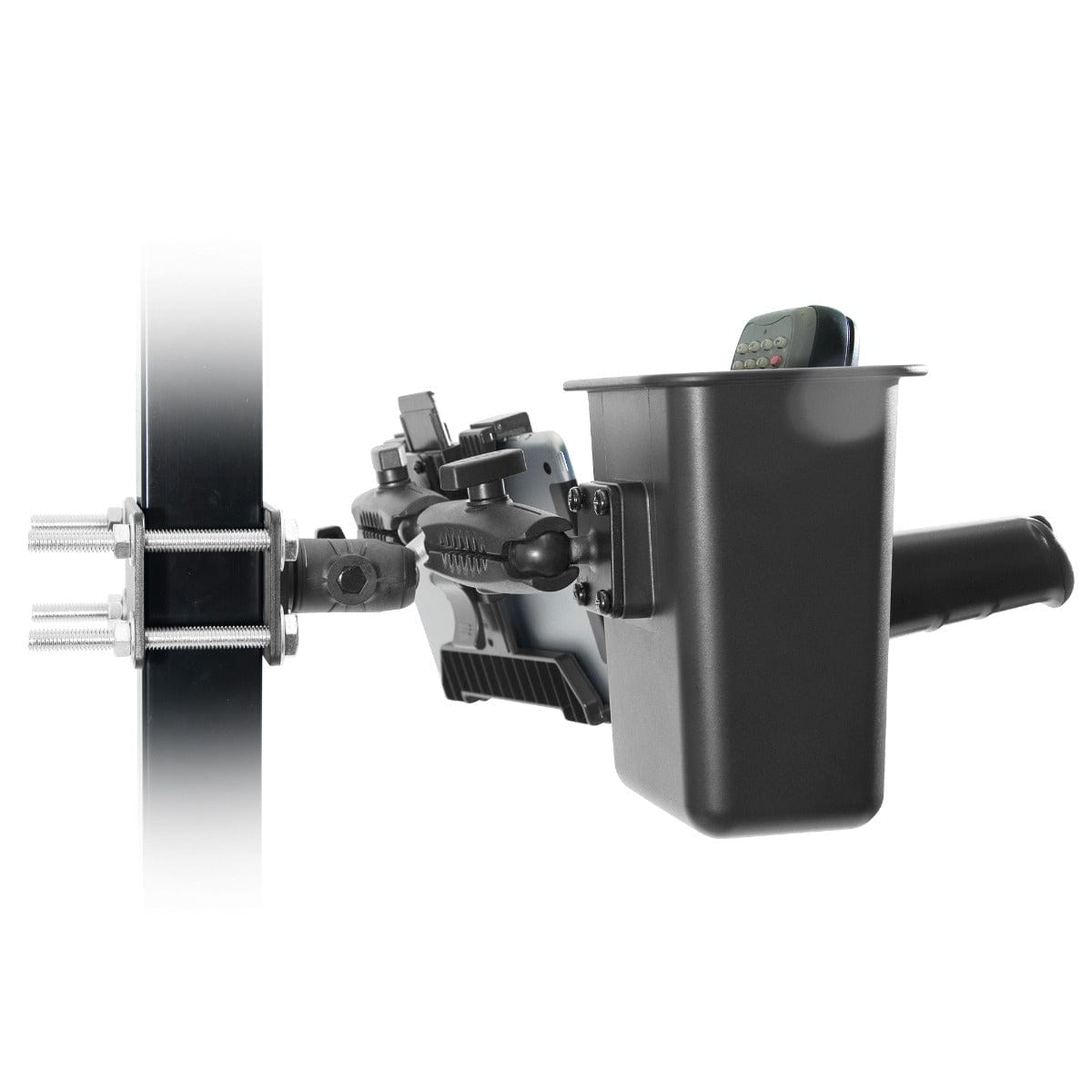
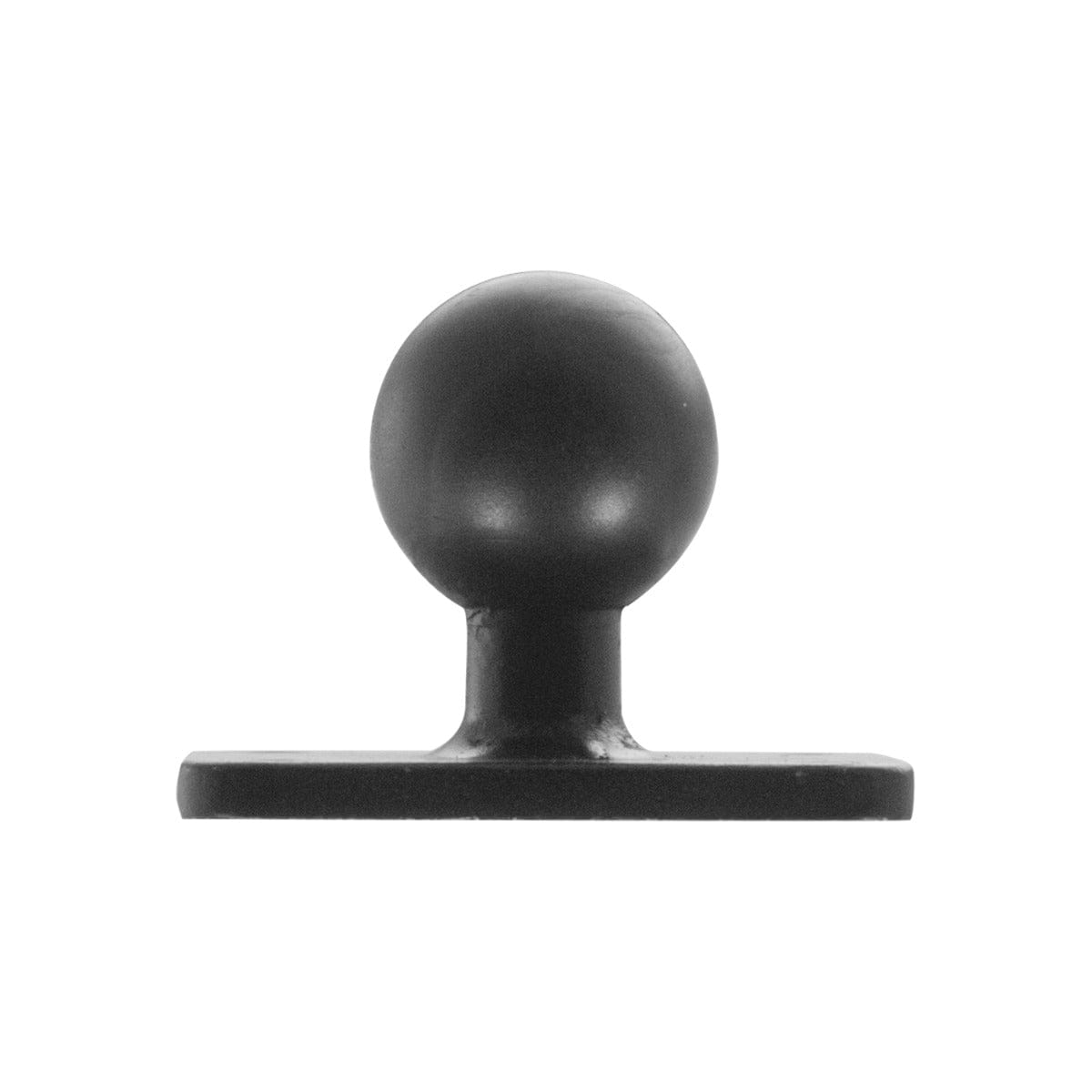
It also helps purchasing teams avoid vague orders such as "another tablet mount." Instead, they can specify a 25mm arm, an AMPS plate, or a holder with documented device dimensions. The iBOLT 25mm Metal AMPS Adapter Plate, for example, connects an industry-standard four-hole AMPS interface to a 25mm or 1 inch ball system.

iBOLT 25mm Metal AMPS Adapter Plate - $12.95
Frequently Asked Questions
What does AMPS mean on a fleet mount?
AMPS refers to a standard hole pattern used to connect mounting plates, brackets, cradles, and other hardware. Confirm whether a component uses the two-hole or four-hole pattern and compare the published dimensions before ordering.
Are iBOLT mounts compatible with RAM components?
Many iBOLT components use industry-standard ball sizes and AMPS patterns also found in other mounting systems. Compatibility depends on matching the exact ball diameter, socket range, pattern, fasteners, and intended load.
Can I reuse a base when a fleet changes phones?
Often, yes. If the installed base and arm remain suitable, a compatible holder or adapter may be the only part that needs to change. Check device width, case thickness, connector access, and the existing mounting standard.
Which ball size should a fleet use?
Choose the size based on the device, arm length, operating environment, and compatible hardware already in use. A phone setup and a larger tablet or monitor may require different components.
Does a modular mount guarantee ELD compliance?
No. A modular system helps position a device, but the fleet remains responsible for the ELD, installation location, visibility, accessibility, and applicable rules. Review tablet and phone mounts for trucks and ELD compliance when planning the setup.
Cross-compatibility gives a fleet a language for change: base, arm, adapter, holder. Explore iBOLT fleet and ELD mounting options to find the connection points that fit your vehicles and devices.

Leave a comment
This site is protected by hCaptcha and the hCaptcha Privacy Policy and Terms of Service apply.