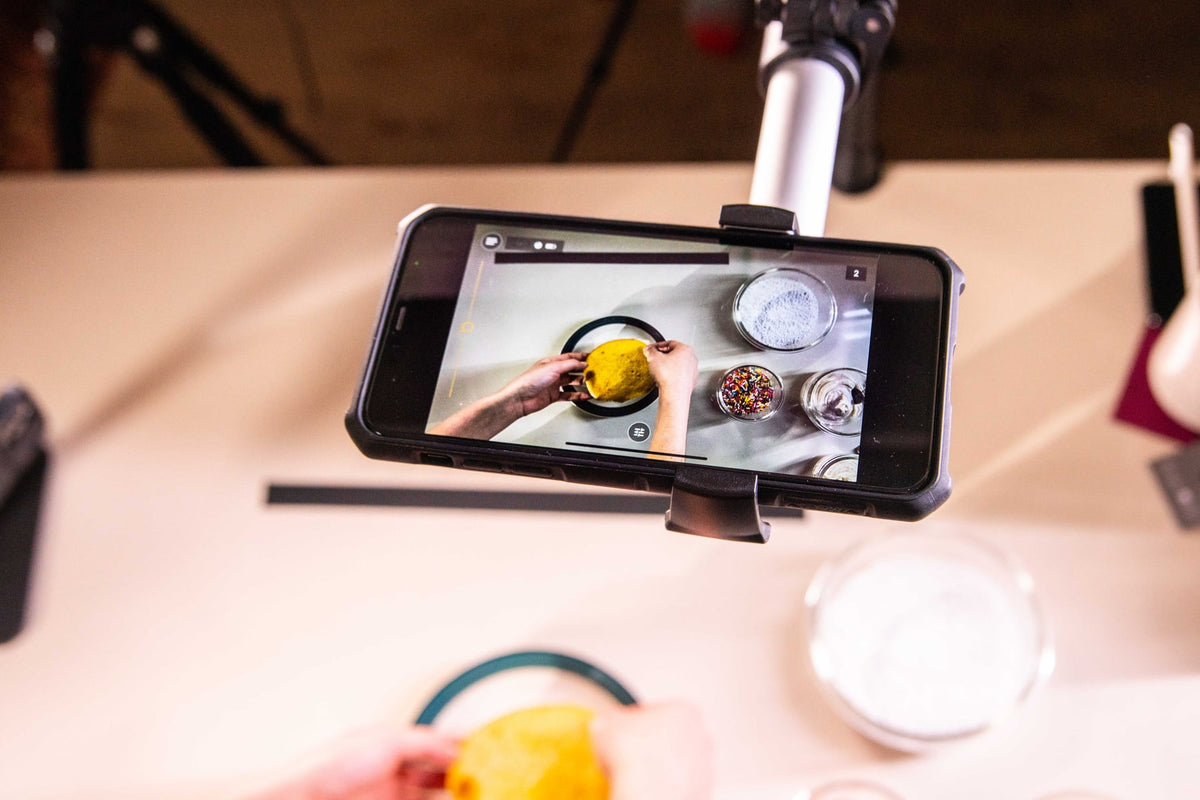
Content creators, field technicians, drivers, and mobile professionals all run into the same problem: they need a camera or tablet positioned quickly, in a spot that was never designed to hold one. A magnetic camera mount solves this by using strong magnets instead of clamps, screws, or suction to hold a device against a metal surface. No drilling, no adhesive, no waiting.

These mounts show up in a lot of different workflows: vehicle dash cams, warehouse inspection cameras, restaurant kitchen tablets, boat helm displays, and creator setups that move between locations several times a day. Understanding how magnetic holding force actually works, and where it falls short, makes it much easier to pick the right mount instead of guessing.
What a Magnetic Camera Mount Actually Does
A magnetic camera mount uses high-strength magnets, typically neodymium, to create a bond between the mount and a ferromagnetic surface such as steel. The strength of that bond depends on magnet size, magnet count, surface contact area, and how clean and flat the mounting surface is. This is different from adhesive mounts, which rely on chemical bonding, or clamp mounts, which rely on mechanical compression.
Most mounts built for camera and tablet use also include:
- An adjustable ball joint or articulating arm for angle control
- A rotating or swiveling head for portrait and landscape switching
- A quick-release plate or magnetic disc for fast device removal
- A rubberized or textured contact surface to reduce scratching and slipping
Devices commonly mounted this way include action cameras, compact digital cameras, smartphones used for recording, tablets used for monitoring or dispatch, and small security or inspection cameras. Weight and size both matter here. A mount rated for a phone will not reliably hold a mirrorless camera with a heavier lens attached.
Where Magnetic Mounts Perform Best
Magnetic mounting earns its keep in situations where speed and repositioning matter more than permanent placement.
Vehicle Recording and Fleet Use
Drivers and fleet operators often attach cameras or tablets to metal dash components, mounting brackets, or interior panels. This works well for temporary or semi-permanent setups where the mount needs to come off between shifts or vehicles.
Warehouse and Industrial Documentation
Technicians use magnetic mounts on machinery housings, metal shelving, and structural beams to document inspections, maintenance steps, or process changes without leaving hardware behind.
Content Creation Across Multiple Locations
Creators who shoot in more than one spot in a single session benefit from a mount that goes up and comes down in seconds, especially when filming setups change from a desk to a rig to a vehicle interior.
Monitoring and Point-of-Sale Stations
Restaurants, retail counters, and service desks sometimes use magnetic tablet mounts near metal equipment or fixtures for order monitoring, diagnostics, or point-of-sale functions where the tablet needs to be repositioned during cleaning or shift changes.
What to Verify Before You Buy
Magnetic mounts are simple in concept, but the details determine whether one will actually hold up in your environment.
- Mounting surface: Confirm the surface is ferromagnetic steel, not aluminum, stainless composites, or painted plastic over fiberglass. A magnet test with a strong refrigerator magnet is not the same as testing the actual mount.
- Vibration exposure: Vehicles, boats, and machinery introduce constant low-level vibration. A magnet that holds fine on a static desk can walk or loosen over time in a moving vehicle. Look for mounts rated for automotive or marine vibration, not just office use.
- Device weight and size: Match the mount's rated weight capacity to your actual device, including any case, battery pack, or lens attached. Err toward the higher-capacity option if you are near the limit.
- Charging and cable routing: If the device needs to stay powered, confirm the mount design allows a charging cable to reach the port without straining the connection or blocking the magnetic plate.
- Removal frequency: If you are pulling the device off multiple times a day, prioritize a quick-release magnetic disc system over designs that require realigning the whole mount each time.
- Security needs: Magnetic mounts are fast, which also means they are not built for high-theft environments or situations where accidental detachment is a real risk. If security matters more than speed, a locking or clamp-based mount may be the better fit.
- Ball size and arm compatibility: If you are integrating the mount into an existing arm or base system, check ball size (commonly 17mm, 20mm, or 25mm) and AMPS hole patterns before assuming parts will interchange.
When in doubt, verify fitment against the specific device and surface rather than relying on general product descriptions.
Camera and Tablet Safety with Magnetic Mounts
A frequent question is whether magnets can damage a camera, phone, or tablet. Standard magnetic mounts built for consumer and professional device mounting are generally safe for modern digital cameras, mirrorless bodies, action cameras, smartphones, and tablets. Camera sensors and phone electronics are shielded against the field strength produced by typical mounting magnets.
That said, a few precautions are worth following:
- Follow the manufacturer's guidance for the specific camera or device
- Avoid pairing devices with unusually strong industrial-grade magnets not designed for mounting use
- Check compatibility if the device has magnetic accessories, styluses, or credit cards stored nearby
- Test the mount's hold under real conditions before relying on it during an actual shoot or shift
Limitations and Best Practices
Magnetic mounts are not the right choice everywhere. They depend entirely on a compatible steel surface, so they will not work on aluminum panels, most plastics, wood, or glass without an added metal plate. Holding strength can also drop off on surfaces with paint, rust, or debris between the magnet and the metal.
Heavier equipment, extreme vibration, and off-road or marine conditions can all push a magnetic mount past its practical limit, even if the rated capacity looks sufficient on paper.
A few practices help maximize reliability:
- Clean the mounting surface before every installation, removing dust, oil, or residue
- Confirm the mount's actual weight rating against your device and accessories
- Inspect magnets periodically for chips, corrosion, or reduced grip
- Test stability by gently shaking the setup before recording or driving
- Use a mounting plate or protective pad if the device surface is prone to scratching
- Reposition or replace the mount if you notice any drift or loosening over time
Related iBOLT Mounting Options

iBOLT Dual Tablet- Tripod Slider Bar
A good fit for phone and camera setups used in recording, streaming, and overhead shots.

iBOLT Stream-Cast Overhead Camera Rig Desk Mount for DSLR Cameras for Top Down and Front Facing Photography
A good fit for phone and camera setups used in recording, streaming, and overhead shots.

Stream-Cast Stand Adjustable Overhead Phone Mount
A good fit for phone and camera setups used in recording, streaming, and overhead shots.

Stream-Cast Stand Adjustable Overhead Phone Mount for Live Streaming
A good fit for phone and camera setups used in recording, streaming, and overhead shots.
Frequently Asked Questions
What is a magnetic camera mount?
It is a mounting accessory that uses strong magnets, usually neodymium, to hold a camera, phone, or tablet against a compatible metal surface without screws, clamps, or adhesive.
Are magnetic camera mounts safe for cameras and phones?
Yes, for most modern digital cameras, action cameras, smartphones, and tablets, as long as the mount is designed for device mounting and used according to the manufacturer's guidance.
Will a magnetic mount work on my vehicle or equipment?
Only if the mounting point is ferromagnetic steel. Aluminum panels, plastic trim, and painted composites will not provide reliable holding strength without an added metal plate.
Can a magnetic mount handle vibration in a vehicle or boat?
Mounts built and rated for automotive or marine use can, but general-purpose desk mounts often cannot. Check the vibration rating before using one in a moving vehicle or on the water.
Do magnetic mounts work with tablets used for navigation or point-of-sale?
Yes. Many magnetic tablet mounting systems are built specifically for navigation, field service, dispatch, and point-of-sale applications where quick removal matters.
Is a magnetic mount more secure than a screw-in or clamp mount?
Not necessarily. Magnetic mounts prioritize speed and flexibility, while screw-in and clamp mounts generally offer more resistance to theft, impact, and extreme conditions. Choose based on which trade-off matters more for your environment.


Leave a comment
This site is protected by hCaptcha and the hCaptcha Privacy Policy and Terms of Service apply.